
Blog: Boxing Fitness


How to Hook
The hook is a powerful, circular punch thrown in a sideways arc that targets the head or body of an opponent. It requires significant hip rotation and works the muscles in the arms, shoulders, and back, making it excellent for improving both skill and overall boxing fitness.

The 3 Stages of Learning
According to the Fitts and Posner Model, learning a new skill involves passing through three distinct stages. Learning begins with the Verbal-Cognitive Stage, where the boxer mentally talks themselves through each step, followed by the Motor Stage, where movements start becoming automatic and the boxer focuses on consistency and mistake detection. Finally, in the Autonomous Stage, the technique is mastered and performed effortlessly, freeing the boxer to develop complex skills and combinations.

Boxing Angles: The Compass and The Clock
To master ring generalship and footwork, a boxer can map the ring's angles using two models: the Compass (dividing the ring into 8 intuitive directions) or the Clock (dividing the ring into 12 specific points). Mapping these angles is crucial for planning movement, such as manoeuvring an opponent into a corner, and brings greater precision to both bagwork and shadowboxing drills.

Props for Boxing Technique
Simple household items and gym equipment can serve as effective "props" to correct common flaws and refine essential boxing techniques. These props offer immediate feedback, such as using a tennis ball under the chin to enforce a tucked chin or utilizing tape lines on the floor to maintain precise foot positioning and correct stance while moving.

How to Cross
The Cross, or straight punch, is thrown with the dominant hand and is a powerful boxing punch that requires proper body alignment to be effective. This punch is an excellent full-body exercise that utilizes the arms, shoulders, and chest, while also demanding hip rotation and precise footwork for maximum power and fitness benefit.

How to Jab
The jab is the most essential punch in a boxer's arsenal, a quick, straight punch thrown with the lead hand that is highly versatile for both offense and defence. Offensively, it establishes range, controls the pace of the fight, and sets up combinations. Defensively, it can be used to block, parry, and disrupt an opponent's timing.

What is Control?
"Control" is an advanced concept in boxing, often borrowed from other martial arts, that refers to a subtle way of moving or using "tricks" to place an opponent at a disadvantage. This is achieved not just through physical manoeuvring (like locking an arm or knocking a glove aside) but also by manipulating the opponent's actions through feints, positioning, and triggering predictable reactions.

Beyond the Punches: How to Relax and Recover for Improved Boxing Performance
Unnecessary tension, such as hunched shoulders, clenched fists, and locked knees, is a common problem for boxers that leads to quick fatigue. The solution involves two key methods: gradual exposure during training to build relaxed, focused habits in low-stress environments, and practicing deep systematic relaxation during recovery time to establish a contrast against excessive tension and help find an optimal state of performance.
The Boxing Stance
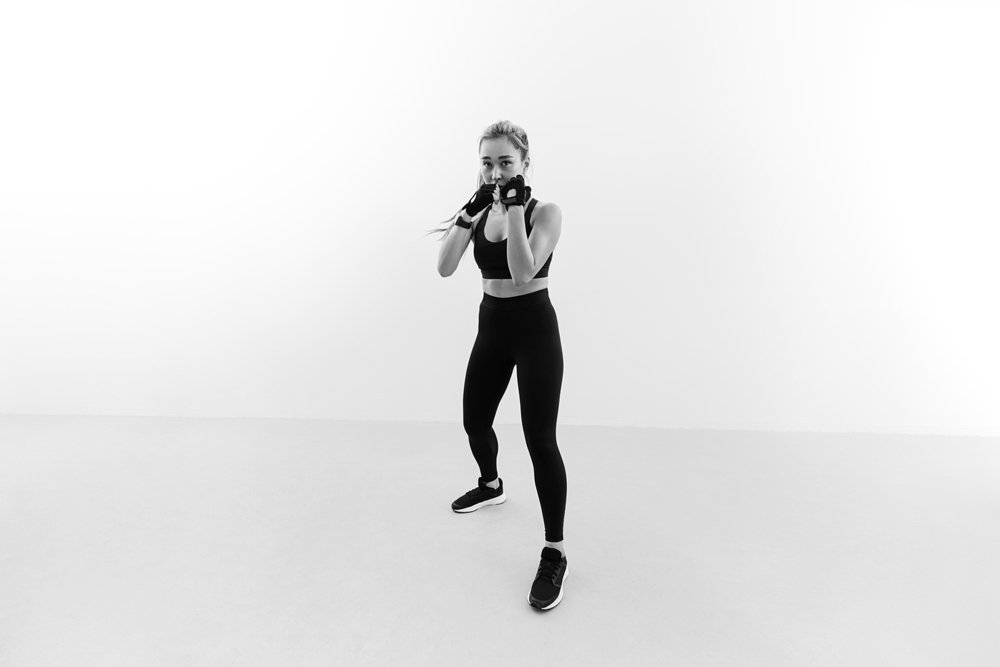
The boxing stance is a carefully crafted position, essential for providing a balance of stability and mobility while maximizing a boxer's power and defence. Whether using the Orthodox (left foot forward) or Southpaw (right foot forward) stance, fighters must precisely manage foot positioning, weight distribution, and hand placement to optimize their approach for their style and opponent.

24 Jump Rope Techniques for Boxing
Ropework is a staple in boxing training, significantly boosting cardiovascular endurance, enhancing coordination and footwork, and increasing lower body power. To add variety and challenge to this versatile exercise, boxers can utilize 24 different techniques, categorized into Bounce (both feet land simultaneously) and Bounce Step (alternate feet land) patterns, ranging from the basic Lateral Bounce to complex moves like the Double Under and the Ali Shuffle.

9 Heavy Bag Drills for Boxing
What drills can boxers practice on the heavybag to add variety to their training? To combat boredom and increase challenge, heavy bag training can be diversified using nine drill categories that focus on varied constraints. These drills include starting or finishing combinations with a specific technique, using fixed punches or a single arm, limiting footwork, and practicing specific combination patterns, punch patterns, or fighting styles.

The 6 Styles of Boxing: Which One Suits You Best?
Discover the 6 styles of boxing and find out which one suits you best. From the "in-fighter" to the "out-fighter," explore the unique characteristics and advantages of each style in this informative post. Whether you're a beginner looking to find your footing in the sport or a seasoned boxer looking to expand your repertoire, this post is a must-read.

The Science of Scoring: Understanding the Four Criteria for Boxing Judges
Boxing judges score each round based on four criteria: Clean Punches, Effective Aggressiveness (advancing while landing shots), Ring Generalship (manoeuvring to neutralize the opponent's offense), and Defence. Recognizing how these four elements are paired provides a framework that can structure a boxer's solo and partner training programs.

Navigating the Ring: Breaking Down the Three Positions for Beginners
How does a boxer view space inside the ring? The boxing ring contains three key positions — the Corner, the Ropes, and the Centre — each defining the situational context for every technique and movement. Understanding the unique constraints and opportunities of these positions is essential for developing ring generalship and training with purpose.
Master the 6 Types of Boxing Technique: A Guide to Improving Your Skills
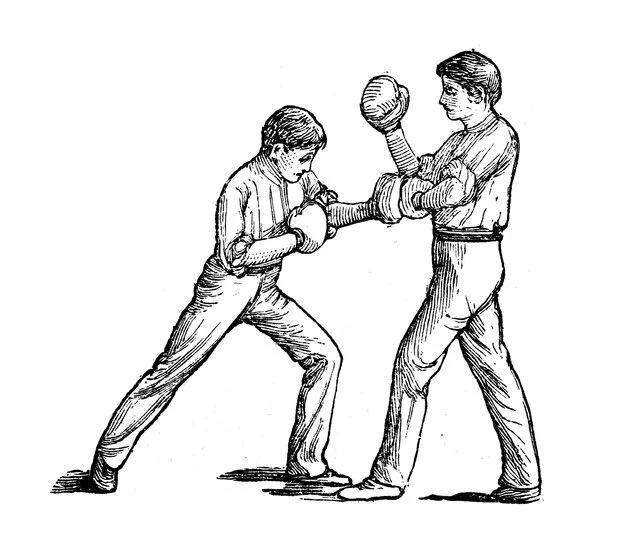
Take your boxing skills to the next level with this guide to mastering the 6 types of boxing technique. From offensive techniques like punches and combinations to defensive techniques like blocks and parries, discover how to improve your skills and become a more well-rounded boxer in this comprehensive guide.